Rubbish removal for businesses in West London offices and shops
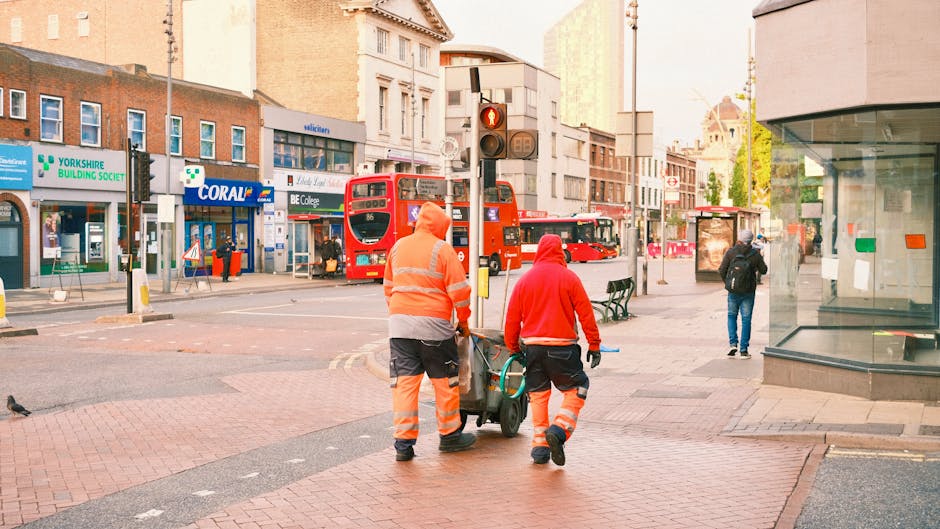
If you run an office, boutique, cafe, salon, agency, or small retail unit in West London, rubbish has a way of building up quietly until suddenly it is all anyone can see. Boxes by the back door. Broken chairs in a stock room. Old packaging near the bins. A few bags at the end of the day, and then a few more, and then-well, you know how it goes. Rubbish removal for businesses in West London offices and shops is not just about keeping things tidy. It is about keeping your premises usable, presentable, and safe for staff and customers.
In this guide, we will look at how business rubbish removal works, what to expect in West London, the common mistakes to avoid, and how to choose a service that fits the way your workplace actually operates. No fluff. Just practical advice that helps you make a sensible decision.
- Why rubbish removal matters
- How the service works
- Key benefits and practical advantages
- Who needs it and when it makes sense
- Step-by-step guidance
- Expert tips for better results
- Common mistakes to avoid
- Tools, resources and recommendations
- Law, compliance and best practice
- Options and comparison table
- Real-world example
- Practical checklist
- Conclusion
- Frequently asked questions
Why Rubbish removal for businesses in West London offices and shops Matters
Commercial premises create a very different kind of waste from a typical home. Offices generate paper, packaging, broken furniture, old IT equipment, and sometimes confidential material. Shops create cardboard, display fixtures, damaged stock, shrink wrap, and the steady stream of bits that appear during deliveries and seasonal changeovers. In a busy part of London, that waste can pile up quickly, especially if space is tight. And let's face it, most West London premises are not exactly blessed with endless storage rooms.
Keeping rubbish under control matters for a few reasons. First, appearance. Customers often judge a business before they ever speak to anyone. A clean entrance, tidy rear access, and uncluttered stock area make a good impression almost immediately. Second, workflow. Staff can move more easily, stock is easier to find, and deliveries are less chaotic when waste is removed on time. Third, safety. Overflowing bags, loose packaging, sharp items, and broken furniture can all create avoidable trip or injury risks.
There is also the simple matter of time. If your team is spending half an hour every few days wrestling with bins or trying to figure out what to do with old office furniture, that is time not spent serving customers, handling admin, or getting on with the actual work. Cheap in the short term can become expensive in the long run. That's usually how it works.
West London adds its own layer of practical reality. Access can be awkward. Parking can be limited. Busy roads, narrow service entrances, and shared courtyards all make collections trickier than they look on paper. A rubbish removal service that understands office and retail environments in places like West London can plan around those little headaches instead of treating them as surprises.
How Rubbish removal for businesses in West London offices and shops Works
Most commercial rubbish removal jobs follow a straightforward process, but the details matter. In a good setup, you tell the provider what needs removing, where the waste is located, and when access is possible. They assess the load, estimate the time and vehicle space needed, and then arrange collection. Some jobs are one-off clearances. Others become a regular collection schedule, especially for shops with constant packaging waste or offices that are clearing out every quarter.
For offices, the process often starts with separating general waste from reusable items and anything that needs special handling. Old desks, chairs, filing cabinets, monitors, and printers are common examples. For shops, there is often more cardboard, shop fittings, shelving, display stands, and stock waste. The removal team then loads items, sorts what can be reused or recycled where possible, and takes the remainder for disposal through appropriate channels.
One thing people often underestimate is access. A removal team might need to work around deliveries, lifts, stairwells, security desks, or customers coming and going. In a retail setting, that can mean early morning or after-hours collection. In an office, it may mean timing the work between meetings or outside peak trading times. Good planning makes the difference between a smooth visit and a stressful one.
If your waste is mixed, bulky, or awkward, it helps to identify it in advance. A mixture of paper, broken shelving, packaging, and furniture is not unusual. Neither is a last-minute "oh, and there's also that old reception sofa". Humans do that. Quite a lot, actually.
Key Benefits and Practical Advantages
The obvious benefit is that the waste disappears. But the real value goes beyond that. A properly managed rubbish removal service can support the day-to-day running of a business in ways that are easy to miss until something goes wrong.
Cleaner premises are the first win. Offices feel calmer when walkways are clear and bins are not overflowing. Shops feel more inviting when the back room is organised and customer-facing areas are free from clutter. That tidy feeling matters more than people sometimes admit.
Better use of space is another major benefit. In West London, storage is precious. A room full of broken furniture or flattened boxes is not storage, really-it is just waste waiting around. Clearing it makes room for stock, equipment, or the things that actually help your business earn money.
Less disruption is important too. A planned collection is much easier to manage than staff trying to deal with rubbish ad hoc. That means fewer interruptions, fewer improvised solutions, and less pressure on your team. Nobody wants to spend lunch break trying to drag a heavy cabinet down a corridor. Well, nobody sensible.
Improved compliance and tidiness also matter. Businesses have a duty to manage waste responsibly, and regular removal makes that easier to maintain. It reduces the risk of fly-tipping, unsafe storage, and confusion over where different waste types end up.
Recycling opportunities can be better handled when waste is removed by a provider that knows how to separate mixed loads. Even when you are not aiming for a full sustainability strategy, it is still helpful to keep recyclable and non-recyclable items from becoming one giant mystery pile.
| Benefit | What it means in practice | Why it helps West London businesses |
|---|---|---|
| Time saved | Staff do not have to manage large waste items themselves | Useful where teams are small and space is tight |
| Better presentation | Front-of-house and back-of-house areas stay tidy | Important for customer trust and brand image |
| Safer premises | Fewer trip hazards and less blocked access | Helpful in busy shops, corridors, and shared buildings |
| Smarter waste handling | Items can be sorted for reuse, recycling, or disposal | Reduces unnecessary waste and supports better practice |
Who This Is For and When It Makes Sense
This service is a good fit for a wide range of businesses, and not just the obvious ones. Offices use it for clearances, refurbishments, or regular waste. Shops use it for packaging, stock changes, and fixture replacement. But it also helps smaller businesses that do not have the space, time, or manpower to deal with bulky rubbish properly.
Typical users include:
- Offices with limited bin storage or regular refit work
- Retail shops with high packaging volumes
- Showrooms replacing displays or furniture
- Agencies clearing old desks, chairs, and archived paperwork
- Cafes, salons, and small hospitality businesses with periodic waste surges
- Landlords or managing agents dealing with commercial end-of-lease clear-outs
It makes sense when waste is more than your usual bin load. A few small bags are one thing. But if you have bulky items, mixed materials, or rubbish that cannot be left out for standard collection, a dedicated removal service is usually the better route.
It is also worth considering after refurbishments, stockroom reorganisation, or a staff move. A lot of businesses wait too long, then realise the rubbish has become part of the furniture. Not ideal.
West London businesses in high-footfall areas such as Oxford Street, Regent Street, Marylebone and Soho, and Ealing often need a flexible approach because access and timing can be so different from one street to the next.
Step-by-Step Guidance
If you want the smoothest possible experience, it helps to treat rubbish removal as a small project rather than a last-minute errand. That sounds obvious, but in real life it gets skipped all the time.
- List what needs removing. Separate furniture, boxes, general rubbish, electronics, and anything unusual. If you can, count the items or take a few photos.
- Check access. Note whether there are stairs, lifts, loading restrictions, security checks, or narrow entrances. These details matter more than people think.
- Choose the right timing. Office clearances may work best outside peak hours. Shops may prefer before opening or after closing, especially if customer flow is heavy.
- Ask about handling options. Some items may be suitable for reuse, recycling, or separate disposal. If you have IT equipment or confidential papers, ask how those are managed.
- Confirm what is included. Make sure the quoted service covers loading, transport, and disposal. Ambiguity is where frustration tends to creep in.
- Prepare the waste area. Move items into one accessible place if possible. The team can work faster, and your premises stay less chaotic.
- Keep records. Businesses should retain proof that waste was handled properly. It does not need to be dramatic, just organised.
A small real-world example: a boutique in West London might spend all week stacking delivery cardboard in the stock room because there is nowhere else for it. One planned removal clears enough space for new stock, packaging, and a bit of breathing room. That last part is underrated. A room that feels less cramped can change how a team works.
Expert Tips for Better Results
There are a few habits that make rubbish removal easier, cheaper in practice, and less stressful overall. These are the sorts of things that save time quietly.
Separate waste before collection if you can. Mixed rubbish is harder to handle. Cardboard, broken furniture, and general waste do not need to be thrown into one chaotic pile unless the situation is truly beyond saving.
Plan around trading hours. For shops, a collection at the wrong time can block a display area or disrupt customers. For offices, it can interrupt meetings or reception flow. Even a one-hour window can make a difference.
Measure bulky items loosely in advance. You do not need a tape measure and a clipboard like a stage manager, but rough dimensions help a provider estimate the load and vehicle space.
Flag awkward items early. Heavy safes, large glass panels, awkward reception units, and electronic kit can require extra care. Mention them upfront. It is much easier that way.
Think about repeat waste. If your business produces the same type of rubbish every week, a regular collection plan may be more practical than one-off visits. This is particularly true for shops with constant packaging waste.
Use the clearance moment to reset the space. It is a good opportunity to tidy cables, improve storage, and remove dead stock. A bit of organisation now can prevent a mess later. You'll thank yourself, probably on a rainy Tuesday when everyone else is busy.
Common Mistakes to Avoid
Most problems with business rubbish removal are not dramatic. They are small mistakes that snowball. The good news is that they are easy to avoid once you know what to look for.
- Leaving booking too late. This creates pressure, especially if you have a move-out deadline or a busy trading week.
- Not describing the waste properly. Understating volume or hiding awkward items makes the job harder for everyone.
- Assuming all waste is the same. Office furniture, electricals, and general rubbish may need different handling.
- Blocking access with extra clutter. If the collection route is crowded, the team has to work slower and more carefully.
- Forgetting paperwork or internal approvals. In larger businesses, one forgotten sign-off can delay everything.
- Choosing on price alone. Cheapest is not always simplest. Sometimes it is just cheaper, and that is all.
A small but common issue: someone in the business says, "it's only a few items," and then the collection team arrives to find half a showroom. That mismatch wastes time and can lead to awkward surprises. It is better to be honest from the start.
Tools, Resources and Recommendations
You do not need specialist equipment to prepare for rubbish removal, but a few simple tools and habits help a lot.
- Basic labels or sticky notes to mark what stays and what goes
- Phone photos of the waste area for sharing with the provider
- Heavy-duty gloves for staff moving small or safe items
- Trolley or dolly for moving boxes and lightweight furniture internally
- Rubbish bags and tape to keep loose materials grouped together
- Internal checklist so staff know what needs clearing before collection day
If you also need related property clearances, it can help to review broader waste and clearance services such as business waste, waste removal, waste clearance, or rubbish collection. For office moves or resets, office clearance is often the closest fit. And for bulky items like desks or seating, furniture disposal can be especially useful.
For businesses in and around the West End, it can also help to think in terms of neighbourhood logistics. A shop near the West End, Bond Street, Piccadilly, Mayfair, or Marble Arch may need tighter collection timing than a quieter unit farther out. That is just the reality of the area.
Law, Compliance, Standards, or Best Practice
Business waste in the UK should be managed carefully and responsibly. The exact requirements can vary depending on the type of waste, your business activities, and where you operate, so it is sensible to treat compliance as an ongoing duty rather than a box-ticking exercise. In plain English: do not just leave waste outside and hope for the best.
Good practice usually includes keeping waste secure, using a reputable waste carrier, and maintaining proof that your rubbish has been transferred properly. That record-keeping matters if questions ever arise about what happened to the waste after it left your premises.
Some waste streams need more care than general rubbish. Electrical items, confidential paperwork, and certain bulky or contaminated materials may require separate handling. If in doubt, ask before collection rather than after. It saves a lot of back-and-forth later.
For offices and shops, best practice often means:
- keeping waste in designated areas away from customers and staff walkways
- separating recyclable items where practical
- making sure staff know what can and cannot be mixed
- using clear internal procedures for clear-outs and refurbishments
- retaining basic records of collections and removals
If your business operates in a shared building, leasehold unit, or managed estate, there may also be site rules about loading bays, lift use, or permitted collection hours. Those rules are easy to miss until someone reminds you at the worst possible moment. A quick check before booking avoids needless friction.
Options, Methods, or Comparison Table
Different businesses need different approaches. A small office with a few desks to remove will not need the same setup as a retail unit clearing out seasonal stock and old shelving. Here is a simple comparison to help you think it through.
| Method | Best for | Pros | Watch-outs |
|---|---|---|---|
| One-off rubbish removal | Clear-outs, refurbishments, occasional bulky waste | Flexible, quick, simple to arrange | Less efficient for ongoing waste |
| Regular waste collection | Busy shops and offices with predictable waste volumes | Consistent, organised, low disruption | Requires planning and routine |
| Targeted item disposal | Furniture, equipment, or specific bulky items | Good for tricky individual items | May not suit mixed waste loads |
| Full office or shop clearance | Moves, closures, major fit-outs | Cleans out everything in one go | Needs more planning and access control |
There is no single best method for everyone. The right choice depends on volume, frequency, access, and how much disruption you can tolerate. Sometimes the simplest answer is the best one. Fancy systems are great until someone has to move a filing cabinet down three flights of stairs.
Case Study or Real-World Example
Here is a realistic example based on the kind of job many West London businesses face.
A small retail shop in Chiswick was preparing for a display refresh ahead of a busy season. The back room had become crowded with flattened boxes, damaged shelving, an old counter unit, and packaging from recent deliveries. Staff were spending too long moving things around just to reach stock. Nothing was broken in a dramatic way, but the space felt tense and cramped. You could almost hear the frustration in the room.
The business scheduled a one-off rubbish removal outside trading hours. Before collection day, they grouped cardboard, separated reusable items, and made a clear path from the storage area to the loading point. The removal team handled the bulky items, cleared the waste, and left the space ready for the new layout.
What changed? The team worked faster, restocking became easier, and the shop looked more organised before the seasonal rush. Perhaps most importantly, the staff no longer had to keep stepping around piles of packaging. It was one of those changes that does not sound glamorous at all but makes everyday work noticeably better.
That is the thing with rubbish removal for businesses in West London offices and shops. The value often appears in small daily wins, not just in the big obvious tidy-up.
Practical Checklist
Use this quick checklist before booking a collection. It keeps the process smooth and avoids most of the usual headaches.
- List all items to be removed
- Separate bulky items from loose rubbish
- Identify any electrical, confidential, or awkward materials
- Check access routes, lifts, loading points, and timings
- Confirm whether the collection will happen during or outside trading hours
- Ask what is included in the service
- Make sure staff know where to place waste before pickup
- Keep any required internal approvals or records
- Plan for post-collection tidying or rearranging
- Review whether a regular waste plan would suit you better next time
When that list is in place, the whole job tends to feel much less stressful. Simple, really. But not always easy until you do it once properly.
Get a free quote today and see how much you can save.
Conclusion
For West London offices and shops, rubbish removal is not a background chore. It is part of keeping the business functional, professional, and ready for customers and staff alike. The right service can save time, protect space, reduce disruption, and make day-to-day work feel calmer. Not perfect. Just easier.
Whether you are clearing an office, refreshing a shop floor, or finally dealing with that storage room nobody wants to open, the key is to plan early, describe the waste clearly, and choose a method that suits your site. Do that, and the whole process becomes far less of a drama. And honestly, that is a relief in a city where there is already enough going on.
There is a lot to be said for a clean start, especially when the workday is already full. Sometimes the smartest move is simply clearing the space and letting the place breathe again.
Frequently Asked Questions
What counts as rubbish removal for businesses in West London offices and shops?
It usually covers the collection and disposal of commercial waste such as cardboard, packaging, office furniture, broken fixtures, stock waste, and general rubbish from business premises. Some services also handle specialist items like electrical equipment or confidential materials, depending on what is agreed in advance.
Do I need a one-off collection or a regular service?
If your waste builds up occasionally, a one-off collection may be enough. If you run a busy shop or office that produces rubbish every week, a regular service is often more practical. The right choice depends on waste volume, access, and how much disruption you can manage.
Can offices and shops remove bulky furniture too?
Yes, most commercial rubbish removal services can handle bulky items such as desks, chairs, shelving, counters, and reception furniture. It helps to mention these items early so the team can plan loading space and access properly.
What should I do with cardboard and packaging waste?
Cardboard and packaging should be kept separate where possible, especially if you generate a lot of it. Flattening boxes and grouping similar materials makes collection easier and can help the removal team handle the load more efficiently.
How do I prepare a shop for rubbish collection without disrupting customers?
Schedule the collection outside your busiest hours if possible, clear a route to the waste area, and group items in one place before the team arrives. A bit of planning goes a long way, especially in high-footfall areas.
Is rubbish removal suitable for office moves and refurbishments?
Yes, it is often the best time to use it. Office moves and refurbishments create mixed waste, bulky items, and a lot of items that need clearing quickly. A planned removal can help keep the project on track.
What happens to the rubbish after collection?
That depends on the type of waste and the provider's handling process. Some items may be recycled, some reused, and the rest disposed of through appropriate waste channels. If you have specific concerns, ask before booking so you know how different materials will be managed.
How do I know if my business waste is being handled properly?
Ask for clear confirmation of the collection process and keep your own records of what was removed. Businesses should be able to show that their waste was transferred responsibly. Good communication at the start usually prevents problems later.
Can I mix general rubbish with electrical items?
It is better not to mix them unless the provider has confirmed that it is acceptable. Electrical items often need separate handling, so flag them early. This also applies to anything unusual, heavy, or potentially sensitive.
What are the most common delays with business rubbish removal?
Access problems, unclear item lists, parking issues, and late changes are the usual culprits. In West London, timing and loading access can matter just as much as the waste itself. A clear brief upfront avoids most delays.
Is it worth clearing waste before a busy trading period?
Absolutely. A cleaner stockroom or office makes it easier to work efficiently when business picks up. It can also improve presentation, reduce stress, and prevent minor clutter from becoming a bigger issue later on.
How can I keep rubbish under control long term?
Create a simple internal routine. Label waste areas, separate materials where possible, book collections before problems build up, and review the process after busy periods. Small habits make a surprisingly big difference over time.