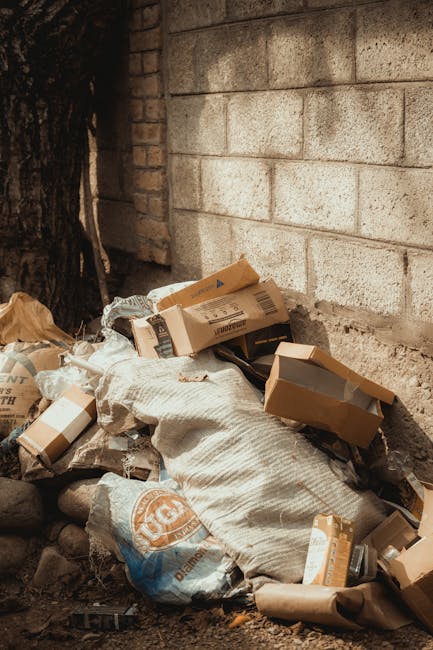
West London household rubbish rules explained council fines

If you live in West London, rubbish rules can feel surprisingly strict. One neighbour puts bags out a little early, another leaves a sofa by the kerb, and suddenly there is a council notice, a complaint, or a fine involved. That is why West London household rubbish rules explained council fines is worth understanding properly before a small mistake becomes an expensive one. In this guide, we break down the everyday rules, the common traps, and the practical steps that help you stay on the right side of local enforcement.
Truth be told, most household waste problems are not dramatic. They are usually ordinary things: overflowing bins, black bags placed out on the wrong day, fly-tipped furniture, or a missed bulky-item booking. But councils do not have much patience for repeated mess, and in busy parts of West London the rules are there for a reason. Let's make them clear, without the jargon.
- Why West London household rubbish rules explained council fines Matters
- How West London household rubbish rules explained council fines Works
- Key Benefits and Practical Advantages
- Who This Is For and When It Makes Sense
- Step-by-Step Guidance
- Expert Tips for Better Results
- Common Mistakes to Avoid
- Tools, Resources and Recommendations
- Law, Compliance, Standards, or Best Practice
- Options, Methods, or Comparison Table
- Case Study or Real-World Example
- Practical Checklist
- Conclusion
- Frequently Asked Questions
Why West London household rubbish rules explained council fines Matters
Household waste rules are not just about keeping streets tidy, although that matters a lot in a dense city area. They also affect hygiene, pavement access, pest control, road safety, recycling performance, and how quickly a neighbourhood starts looking neglected. In West London, where roads can be narrow and footfall is high, a single pile of loose rubbish can create a bigger problem than people expect.
Council fines usually become relevant when waste is left out incorrectly, placed where it should not be, or disposed of through the wrong route. A bag on the pavement is one thing. A repeated pattern of careless disposal is another. If you live near busy mixed-use streets, or in flats where several households share bin space, one person's shortcut can become everyone's headache. That is the annoying part, but it is also why enforcement exists.
There is also a money angle. A small disposal job handled properly is usually cheaper than dealing with a penalty, a complaint, or the hassle of cleaning up after a missed collection. Nobody enjoys paying for a mistake that could have been avoided by checking the basics for two minutes. To be fair, many fines happen because people assume "someone else will sort it." That is rarely how it works.
For landlords, tenants, homeowners, and managing agents, understanding the rules is a quiet bit of risk control. It helps prevent disputes, protects shared spaces, and keeps you from getting caught by a messy edge case. If you already manage larger clearances, services like house clearance and home clearance are often the safer route than trying to move everything yourself in one go.
How West London household rubbish rules explained council fines Works
In simple terms, councils set out how household waste must be stored, presented, collected, and disposed of. If you follow the local collection system, you are usually fine. If you step outside it, the risk of warnings or fines rises. Different councils in West London may handle enforcement a little differently, but the broad idea is the same: the waste must be contained, placed out correctly, and not cause a nuisance or obstruction.
The usual problem areas are easy enough to spot once you know them:
- leaving bags out too early or too late
- using the wrong bin, sack, or container
- overfilling bins so lids cannot close
- putting bulky items on the pavement without arranging collection
- mixing household waste with items that need special disposal
- allowing waste to blow around in communal areas
That last point is a classic one. A bin bag split open in the wind can spread litter across a street in minutes. You know the sort of morning: tea in hand, then you look out and see a trail of wrappers like confetti nobody asked for. Not ideal.
Council action is often triggered by complaints, inspections, obvious obstruction, or evidence that waste has been dumped irresponsibly. Some cases start with a warning. Others move straight to enforcement if the issue is serious enough. The important thing is that the council does not need your rubbish to be dangerous before it can be a problem. If it is unsightly, obstructive, or mishandled, that can be enough.
For larger household loads, especially after a move, bereavement, or refurbishment, people often choose a proper waste removal route rather than trying to navigate bins and collection dates. In those cases, rubbish removal and waste removal can reduce the risk of leaving items out improperly.
Key Benefits and Practical Advantages
Following the rules is not just about avoiding penalties, though that is a very good start. It also makes household waste management calmer and more predictable. There is less smell, fewer pests, less clutter, and less stress on collection day. Simple, but useful.
Here are the practical benefits of getting it right:
- Lower risk of fines or warning notices because your waste is presented correctly.
- Cleaner shared spaces in flats, maisonettes, and terraced streets.
- Less chance of missed collections caused by obstructed or contaminated bins.
- Better recycling outcomes when materials are separated properly.
- Less conflict with neighbours, which is honestly worth a lot on its own.
- Safer access for pedestrians and wheelie bins on tighter West London streets.
There is another benefit that gets overlooked: time. Once you know what to do with ordinary rubbish, bulky waste, and awkward items, you stop improvising every week. That means fewer last-minute scrambles, fewer wrong guesses, and fewer "I'll deal with it tomorrow" moments that turn into a problem by Friday.
If your household produces regular amounts of waste, a planned collection pattern is better than ad hoc dumping. Services such as rubbish collection and waste collection can be a practical back-up when standard council arrangements do not fit the volume or timing you need.
Who This Is For and When It Makes Sense
This topic matters to almost anyone living in West London, but some people need the guidance more urgently than others. If you are new to the area, in a shared house, moving home, or managing a property, the rules can catch you out quickly. West London is full of mixed housing types, and rubbish management changes a lot from one setting to another.
It especially makes sense if you are:
- a tenant trying not to fall out with neighbours or a landlord
- a homeowner dealing with a one-off clear-out
- a flat resident using communal bins
- a landlord or letting agent managing multiple occupants
- someone throwing away large household items like furniture or appliances
- a family with lots of packaging, renovation debris, or garden waste
People in flats often need this guidance most. Shared bins can fill quickly, and one overpacked sack can affect half the building. If you are clearing a compact property, the difference between a tidy plan and a fine can be one overflowing bin and a complaint from the wrong neighbour. That is not drama, just city living.
It is also relevant for anyone facing a bigger clear-out. A garage, loft, or spare room can hide years of clutter. If that sounds familiar, you may find garage clearance and rubbish clearance helpful as part of a cleaner, safer disposal plan.
Step-by-Step Guidance
If you want to avoid trouble, use a simple process. The goal is not perfection. It is making the waste easy to collect, easy to identify, and clearly compliant with local expectations.
- Check how your council expects household waste to be presented. That usually means bin type, collection day, and any special collection rules.
- Separate ordinary waste from recyclables and special items. Keep food waste, glass, cardboard, metal, and textiles in the right place where possible.
- Bundle bulky items properly. Do not leave furniture, mattresses, or broken items on the street unless they are booked for collection.
- Put waste out at the right time. Early presentation can be treated as a nuisance in some situations.
- Keep pavements and entrances clear. Shared access is a common flashpoint in West London, especially in flats and narrow terraces.
- Use the right disposal route for awkward waste. If it is too large, too heavy, or too much for normal collection, arrange a proper pickup.
- Take photos if you are in doubt. A quick record of what was put out, when, and where can help if there is a dispute.
A practical example: if you are replacing a sofa on a Thursday evening, do not just drag the old one outside and hope for the best. That can trigger complaints fast, especially if it blocks a pathway overnight. A booked sofa removal or broader furniture disposal arrangement is usually a cleaner answer.
And if you are doing a larger property clear-out after a move or refurbishment, consider whether a full-service option makes more sense than a patchwork of bin bags and guesswork. Sometimes the tidy solution is simply the calmer one.
Expert Tips for Better Results
In practice, the households that avoid problems are usually the ones that plan just a little bit ahead. Nothing fancy. Just a bit of common sense and timing.
Here are some tips that genuinely help:
- Use sturdy sacks and close them properly. Split bags are a nuisance waiting to happen.
- Don't overfill bins. If the lid will not close, expect trouble from pests, weather, and occasionally the council.
- Keep bulky waste away from the pavement until collection is confirmed. This is one of the safest habits you can build.
- Group like with like. Cardboard in one stack, soft furnishings in another, mixed waste separated as far as possible.
- Be careful with damp waste. Garden cuttings, wet cardboard, and food waste can smell quickly in warm weather.
- Think about your neighbours' mornings. A quiet street at 7 a.m. feels a lot less forgiving than you might expect.
One slightly old-fashioned but effective habit: set a reminder the night before collection day. It sounds trivial, but it prevents that slow, late-evening scramble when you realise the bin is still tucked behind the car. We have all seen that moment. Nobody looks delighted.
If your waste is building up because you are doing a room-by-room declutter, dedicated services can make the job feel less endless. Flat clearance and house clearance are especially useful where access is awkward or items need moving from upper floors.
Common Mistakes to Avoid
Most fines and complaints come from predictable mistakes, not rare technical breaches. That is the good news, because predictable mistakes are easier to fix.
The most common ones are:
- Leaving rubbish out too early and making the street look untidy for hours or overnight.
- Dumping furniture or appliances without booking collection, assuming someone will take it away.
- Using communal bins for one-off clear-outs that fill the space for everyone else.
- Mixing prohibited or awkward items with ordinary household waste, which can contaminate loads.
- Ignoring warning notices and hoping the issue quietly disappears. It usually does not.
- Setting rubbish by the road during bad weather when bags are likely to tear or blow open.
One of the easiest traps is thinking "it's only one item." A single mattress, broken wardrobe, or bag of renovation offcuts can still count as improper disposal if it is left in the wrong place. The council does not really care that it was just one thing; it cares about the effect on the street and the collection system.
Another mistake is not checking whether a collection service is meant for household waste, mixed waste, or something more specific. If you are clearing out a shed, loft, or neglected corner of the garden, services such as garden clearance and waste disposal may fit better than ordinary bin disposal.
Tools, Resources and Recommendations
You do not need complicated systems to stay compliant. A few basic tools and habits are enough for most households.
| Tool or approach | Best for | Why it helps |
|---|---|---|
| Collection calendar or phone reminder | Routine household bins | Prevents early or missed presentation |
| Strong bin bags and ties | General household waste | Reduces spillage and tears |
| Labels or separate piles | Sort-before-disposal jobs | Makes recycling and loading easier |
| Photos of waste before collection | Shared homes and disputes | Creates a simple record if needed later |
| Booked removal service | Bulky items and larger clear-outs | Reduces the risk of leaving items out unlawfully |
Recommendation-wise, the best option depends on how much you need to move and how awkward it is. A couple of bin bags is not the same as clearing a basement full of furniture. For many households, waste clearance or waste collection is the practical middle ground between doing it all yourself and living with clutter for another month.
On the service side, a good provider should make the process straightforward, explain what can be taken, and give you a clear idea of how the collection will work. If the process feels vague, that's a small warning sign. Not always, but often enough.
Law, Compliance, Standards, or Best Practice
Waste disposal in the UK sits within a wider framework of environmental and local authority rules. For householders, the key point is simple: you are expected to store and present waste responsibly and use the correct disposal route. Councils can issue penalties where rubbish is left inappropriately, causes a nuisance, or contributes to fly-tipping or obstruction.
Best practice usually means:
- putting waste out only according to local collection guidance
- keeping public areas clear
- separating recyclable materials where instructed
- disposing of bulky and special items through approved channels
- keeping proof of booking when arranging a private collection
If you live in a building with shared waste facilities, the landlord, managing agent, or residents' association may also have house rules on bin use and storage. Those internal rules do not replace council expectations, but they do matter in day-to-day practice. It is the sort of thing that can sound minor until the bin store becomes a bottleneck at 8 o'clock on a Monday morning.
Where you are dealing with persistent clutter or a difficult move-out, the safest approach is to use a disposal route that clearly aligns with the type and volume of rubbish involved. That is especially true for mixed waste, old furniture, and loads created by household works. If the job is more than a normal bin can handle, treat it like a proper clearance job, not a stretch of the regular weekly collection.
Options, Methods, or Comparison Table
If you are deciding how to deal with household rubbish in West London, the right method depends on volume, timing, and access. Here is a practical comparison.
| Method | Best for | Pros | Watch out for |
|---|---|---|---|
| Council bin collection | Routine household waste | Simple and familiar | Strict presentation rules and limited capacity |
| Booked bulky collection | Large items and occasional clear-outs | Better for furniture and awkward waste | Must be arranged correctly and in time |
| Private rubbish removal | Fast clearance or larger mixed loads | Flexible and often quicker | Choose a reputable provider and confirm what is included |
| Self-transport to disposal | People with a suitable vehicle and time | Can work well for some households | Labour, access, and disposal logistics can be awkward |
For a lot of readers, the decision comes down to this: if it fits neatly in normal household collection, use that. If it does not, stop forcing it. A better route usually saves time, space, and the potential embarrassment of leaving a pile outside the wrong door.
Case Study or Real-World Example
Picture a typical West London flat-share after a long summer clear-out. Three people have been living there, one has moved out, and the hallway now holds a broken desk, two chair frames, a stack of cardboard, and a sofa that nobody wants to admit owning. The building has communal bins, but they are already half-full. The temptation is obvious: put the lot outside and deal with it later.
That is exactly where problems start. The items sit by the entrance overnight, the cardboard gets damp, a bag splits, and by the next morning there is a complaint from another resident. Even if nobody intended to dump waste illegally, the result looks the same to everyone walking past.
The better approach in that situation is straightforward. Separate the cardboard, keep ordinary bags inside until collection day, and arrange proper removal for the bulky items. A service focused on rubbish removal or sofa removal handles the awkward pieces without turning the pavement into a storage area.
The difference is not dramatic on paper, but in real life it matters. One version ends with a tidy hallway and no complaints. The other ends with damp packaging, a frustrated neighbour, and maybe a fine. Small choices, big difference.
Practical Checklist
Use this before you put any household rubbish out in West London:
- Have I checked the correct collection day?
- Am I using the right bin, sack, or container?
- Is the waste bagged securely and not overloaded?
- Have I separated recyclables where required?
- Does anything here need a bulky-item booking instead?
- Will the waste block a walkway, doorway, or shared access point?
- Is the item likely to attract complaints if left out early?
- Do I have confirmation if this is a private collection?
- Could bad weather damage or spread the waste overnight?
- Is there a simpler, cleaner disposal method available?
If you can tick all of those off, you are in a much better place. If one or two are unclear, pause and sort them out first. That small delay is worth it.
For bigger domestic jobs, a proper clearance plan can help you avoid the classic "pile it all near the front door and hope" method. That one is rarely the winner.
Get a free quote today and see how much you can save.
Conclusion
West London household rubbish rules are not hard once you strip away the jargon. Keep waste contained, present it correctly, avoid blocking public space, and use the right collection route for bulky or awkward items. That is the core of it. The council fine part is really just the consequence of getting those basics wrong more than once.
If you remember only one thing, make it this: ordinary bin waste and bigger clearance jobs are not the same thing. Treating them as if they are can create avoidable stress, neighbour complaints, and unnecessary costs. A little planning goes a long way, and it usually feels better the moment the clutter is gone.
And honestly, once the bags are sorted, the bins are closed, and the hallway is clear again, the whole place feels lighter. That's the real win.
Frequently Asked Questions
What happens if I put rubbish out too early in West London?
In many areas, putting rubbish out too early can be treated as a nuisance or a breach of local collection rules, especially if it blocks pavements or attracts complaints. The safest approach is to put waste out as close to collection time as possible and follow your local guidance.
Can I leave a sofa or mattress on the pavement for collection?
Not unless it has been arranged through the correct bulky-item route. Sofas, mattresses, and other large items usually need a booked collection or a proper removal service. Leaving them out without that can lead to enforcement action.
Do councils in West London fine people for overflowing bins?
They can, particularly if the overflow causes repeated mess, attracts pests, or creates an obstruction. A one-off full bin is different from a pattern of unmanaged waste, but overflowing containers are definitely something to avoid.
What counts as household rubbish under the rules?
Ordinary day-to-day waste from the home usually counts as household rubbish. That includes food waste, packaging, non-recyclable items, and general rubbish. Bulky furniture, building debris, and special items often need different handling.
What is the difference between rubbish removal and waste collection?
Waste collection usually refers to regular or scheduled pickup, while rubbish removal is often used for one-off clear-outs or larger loads. In practice, the right choice depends on volume, timing, and what type of waste you need to dispose of.
Are flat residents at higher risk of rubbish fines?
They can be, mainly because shared bins, narrow access areas, and communal storage make it easier for rubbish to spill over into a nuisance. Flat residents often need to be a bit more careful than people with private bins.
How can I avoid complaints from neighbours about rubbish?
Keep waste bagged, avoid putting it out early, never block shared areas, and book bulky items instead of abandoning them. A tidy, predictable routine usually prevents most neighbour issues before they start.
What should I do with old furniture from a house clear-out?
Old furniture is best handled through a booked bulky collection or a clearance service, especially if it is too large for normal bins. Services such as furniture disposal or house clearance are often a better fit than trying to leave items outside.
Is garden waste treated differently from general household rubbish?
Yes, often it is. Garden waste can have its own collection rules and may need to be separated from ordinary domestic rubbish. If you have a lot of cuttings, soil, branches, or old outdoor items, garden clearance can be the cleaner option.
Can I be fined if someone else leaves rubbish outside my property?
Possibly, depending on the circumstances and whether there is evidence linking the waste to your household. If this happens, record what you can, report it promptly, and avoid moving or adding to the pile in a way that makes the situation worse.
What is the best option for a big household declutter?
For a large declutter, a planned clearance is usually better than trying to rely on bins and one-off luck. House clearance, home clearance, or rubbish clearance services can help you avoid mess, time pressure, and accidental non-compliance.
How do I know whether a waste service is the right fit?
Ask yourself how much you have, whether it is bulky, whether access is awkward, and whether you need it gone quickly. If the answer to any of those is yes, a dedicated clearance or removal service is probably more suitable than standard household collection.